Tubular Bottles & Vials About
Product Specification
| Color | Amber |
| Size | All |
| Design | Standard |
| Finish Type | Natural |
| Brand | SVM |
| Neck Type | Narrow Neck Screw |
| Is It Reusable | Non Reusable |
| Country of Origin | Made in India |
| Material | Plastic, Glass |
| Capacity | 10ml - 150ml |
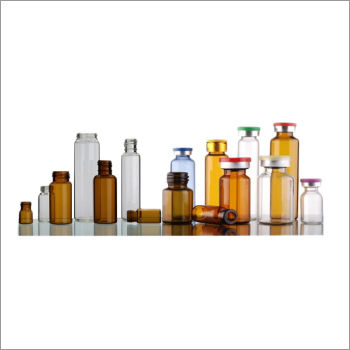
Outstanding Chemical and Temperature ResistanceManufactured from borosilicate glass, these tubular bottles and vials offer superior compatibility with harsh chemicals and exceptional stability across -20C to 120C. Their chemically inert surface makes them a reliable choice for sensitive pharmaceutical and laboratory applications.
Flexible Sterilization and ReusabilityDesigned for repeated use, these vials can be supplied pre-sterilized or non-sterile, with full suitability for autoclaving. Proper sterilization ensures extended shelf life and long-term functionality, allowing for sustainable laboratory and pharmaceutical practices.
Customizable Packaging and Secure SealingSecurely packaged in shrink-wrapped trays or cartons, each vial can be customized in size, style, and printed logos. Leakproof closures, including rubber stoppers and aluminum seals, maintain sample integrity during storage, shipment, and use.
FAQs of Tubular Bottles & Vials:
Q: How can tubular bottles and vials be sterilized for safe reuse?
A: Tubular bottles and vials made from borosilicate glass are autoclavable and can be sterilized using standard autoclaving procedures. Ensure the containers and caps are thoroughly cleaned before sterilizing and follow laboratory protocols to maintain sterility for reuse.
Q: What are the chemical compatibility benefits of USP Type I borosilicate glass vials?
A: USP Type I borosilicate glass offers excellent resistance to acids and alkalis, making these vials ideal for storing aggressive chemicals and pharmaceuticals. Their chemically inert surface prevents interactions with sensitive samples and maintains product integrity.
Q: When is it advisable to choose pre-sterilized vials versus non-sterile options?
A: Pre-sterilized vials are recommended when aseptic processing or immediate use is required, reducing contamination risks. Non-sterile vials are suitable if in-house sterilization is available or when sterility is not critical at the time of purchase.
Q: Where are these tubular bottles and vials typically used?
A: These bottles and vials are used widely across pharmaceutical manufacturing, laboratory analysis, chemical packaging, and sample storage applications. Their robust features support diverse industry requirements.
Q: What process is followed for packaging and shipping these vials?
A: Vials are carefully packed in shrink-wrapped trays and export-quality cartons to protect them during transit. Packaging meets industry standards for safe distribution, minimizing breakage risks and ensuring products arrive securely.
Q: How does graduation marking on vials enhance their usage?
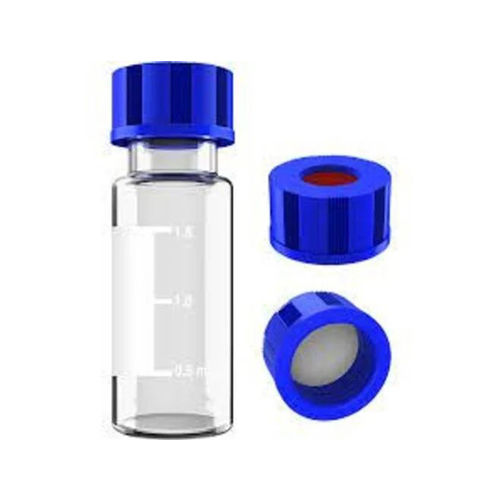
A: Optional clear white graduation markings provide accurate measurement of contents, facilitating precise sample preparation and dosing. This feature is especially beneficial in laboratory research and pharmaceutical dispensing.
Q: What benefits do leakproof and customizable features offer to users?
A: Leakproof sealing maintains sample integrity, preventing contamination and spills. Customization in sizes, printing, and caps allows companies to tailor vials to their specific branding and operational needs, optimizing storage and handling.





 Send Inquiry



 Send Inquiry
 Send Inquiry
 Send SMS